
Most collectors understand that if you own an old jersey, it’s probably best not to store it in a place that receives direct sunlight or worse yet, an area where bugs might be lurking. The simple marking of time can result in a degradation of fragile fabrics from long ago.
There are, however, several steps you can take to make sure your game-worn uniform can fight off trouble and looks good on display.
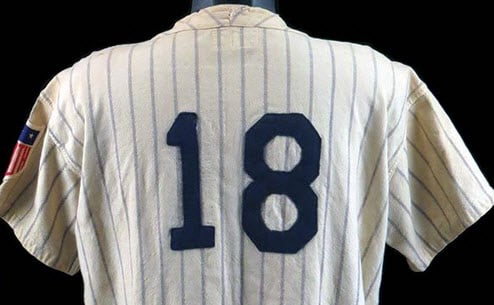 Caring and preserving objects like athletic uniforms fall under textile collections. Military uniforms, wedding dresses and flags would also fall under the same umbrella. They’re organic objects made from fibers like cotton, wool, silk and linen. Jerseys and pants from sports uniforms dating to the mid-1970s might be synthetic material.
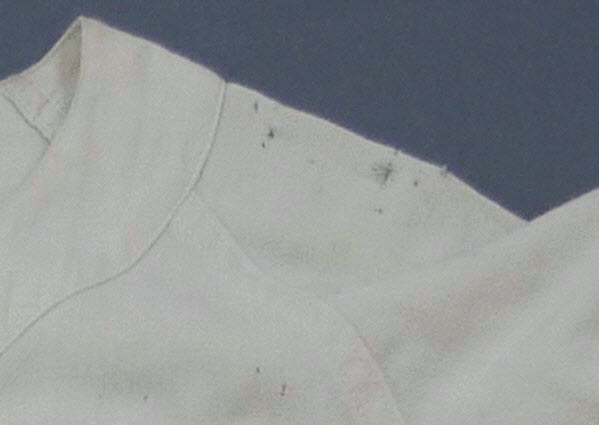 According to Paulette Reading, a Colorado-based textile conservator, the common damages found in textiles include fading, yellowing or other discoloration, creases and distortion, bleeding of colors or dye transfer, staining or soiling, fiber degradation, and mechanical damages or loss.
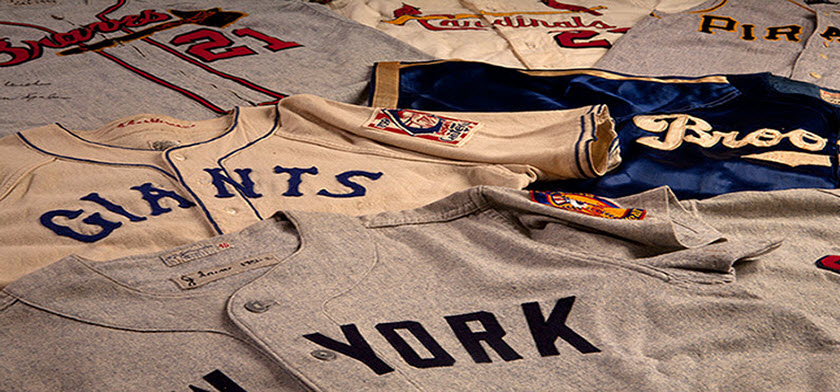 Reading says improper storage, display, and handling can accelerate the natural degradation processes that you may not realize is happening until your jersey begins to look much different from when you purchased it years ago.
Reading has worked with collectors like Marshall Fogel, offering conservation and expertise in the preservation of valuable game-worn uniforms and memorabilia.
In a special article, Preservation of Athletic Uniforms, she offers valuable tips on dealing with insects, fading, creasing or distortion, storage methods and how to decide whether cleaning that old uniform is the right thing to do.