
There is enough variety of modern and ultra-modern baseball cards to make a collector’s head spin. Among the many choices are base cards, mountains of parallels, image variations, autographs, memorabilia cards, autographed memorabilia cards and even inserts and parallels that are only available in certain configurations or sold in certain places.
Vintage cards seem quaint by comparison.
The market’s growth in recent years has been largely because of modern era cards. The highest selling card of all-time is now a 21st century basketball card.
Only a handful of people in the world are potential buyers of headline making cards, but there is still a massive following for those that essentially built the modern hobby.
According to many dealers and experts in the market, vintage cards offer both stability and simplicity that’s becoming more attractive as the post-COVID boom continues.
Dealers will tell you their biggest problem isn’t selling older cards right now. It’s finding people willing to sell them.
They remain committed to a market where every player’s career ended decades ago.
Market Stability
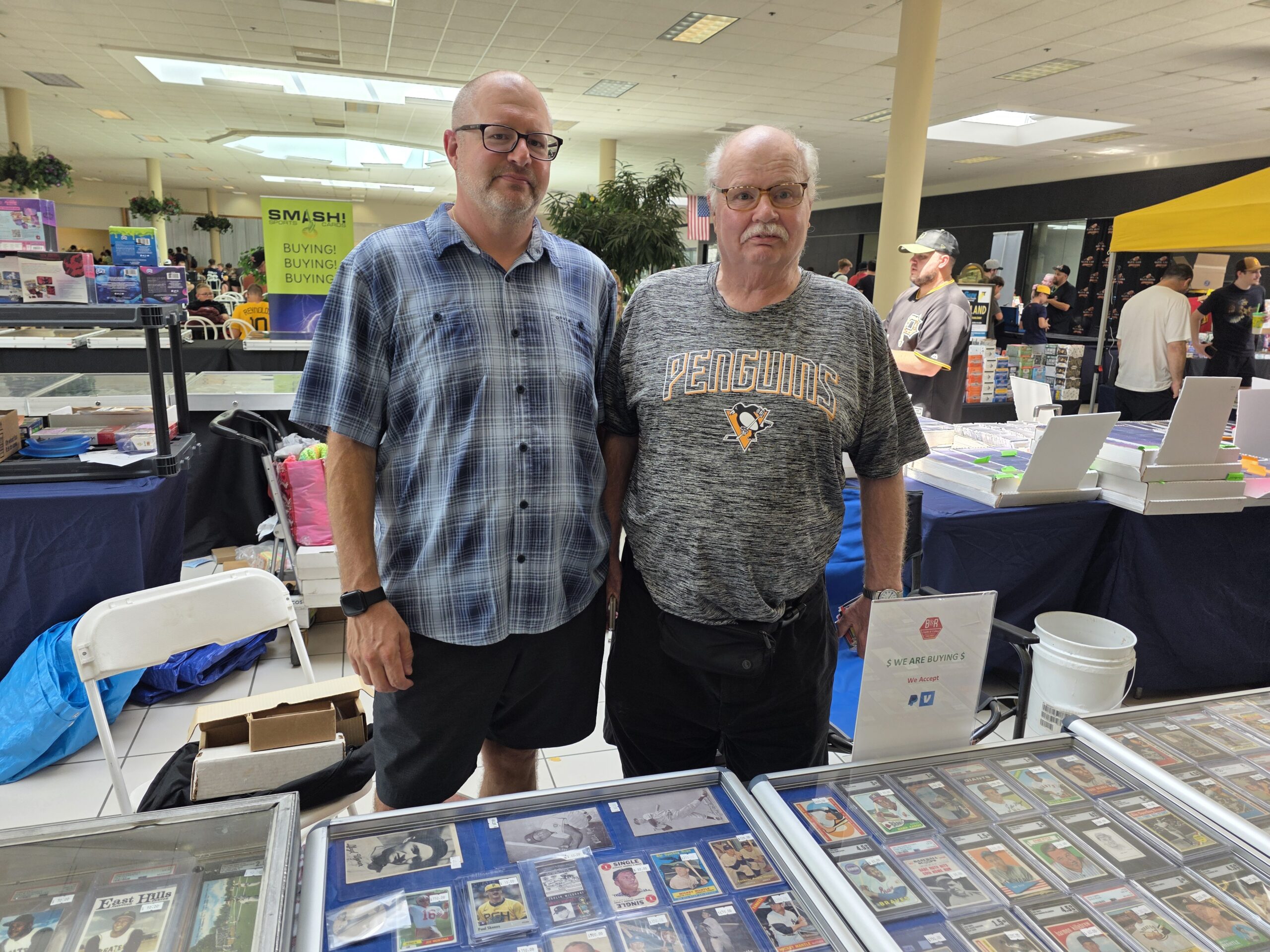
Rob McAfferty and his father Bob, owner of B&R Cards and Coins in Pittsburgh, have been dealing in cards for over 35 years. For them, the market has never been better.
“All the big vintage names like Mantle, Aaron, Mays, Clemente still continue to bring value, but some modern players may be forgotten over time,” the younger McAfferty said. “I think overall, the hobby is doing well now. Modern may go up or down but business for vintage has always been steady.”
Some dealers, such as Jeff Patton, owner of Baseball Card Castle in Cranberry, PA, consider the volatility of value between modern versus vintage cards similar to the stock market.
“Vintage is more stable like savings bonds. Modern can go up or down like a risky stock. A modern player’s card may have value now, but if that player goes bad for some reason, that can make the value of the card shaky.”
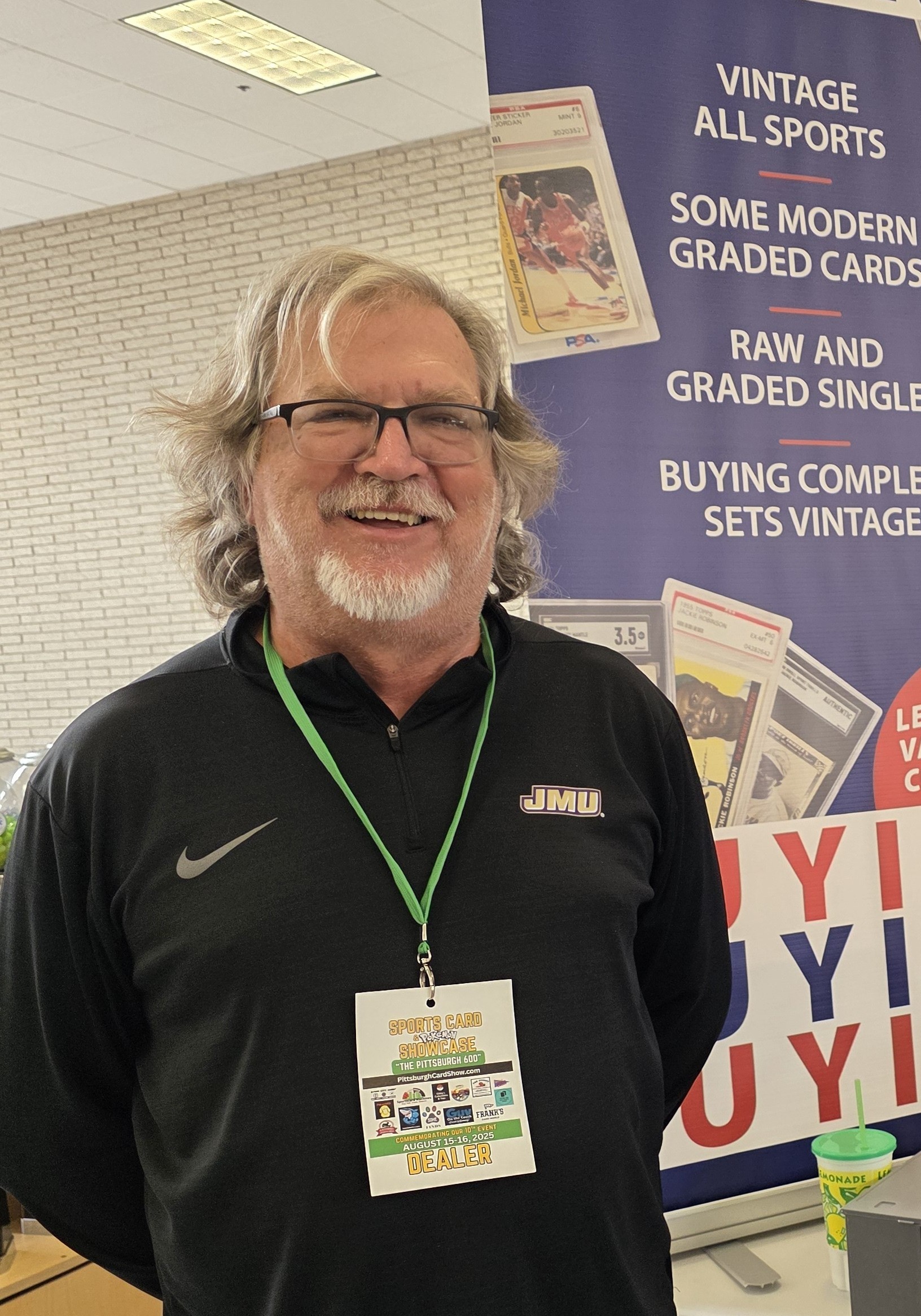
James Atkins, a dealer from Culpepper, VA, agrees with Patton’s metaphor when considering collecting vintage cards.
“The smart people are still in vintage. Without a doubt, vintage is more stable. I tell all my friends that modern is like when you have a good or bad earnings report. The stock can go down with a modern card, especially if a player gets a DUI or his batting average tanks. The vintage player that has been dead for decades is not going to get a DUI tomorrow or lower his batting average,” Atkins said.
“The vintage market holds value and doesn’t fluctuate as much. I have a Mantle card now that I’m asking $4,000 for it. Five years ago, I sold one for $1,100. Vintage also brings back memories for collectors who can re-live their childhood. It’s good to see a family where a grandfather, a father, and then grandchildren are all interested in vintage cards.”
Connection to a Different Time
As Atkins points out, the appeal of collecting vintage cards is not all about dollars and cents. Vintage offers an air of nostalgia.
Adult collectors can share a connection with athletes they remember watching or hearing about from a family member who told stories about players who weren’t on TV every night.
“My main collection is vintage baseball cards,” said collector/dealer Steven Miller at the recent Pittsburgh 600. “When I’m selling at a show, I watch youngsters walk by the vintage all day,” Miller said.
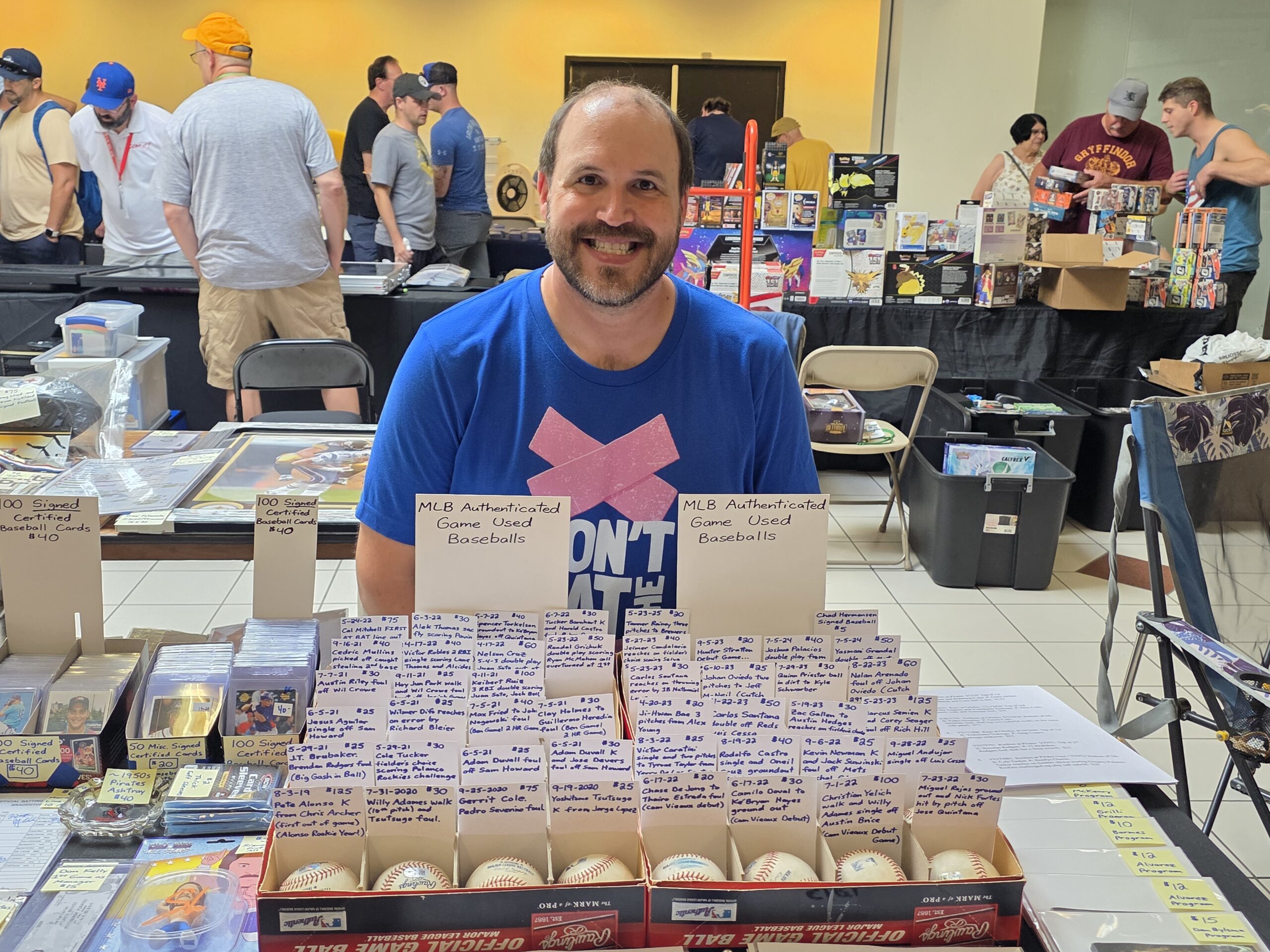
“Older people will stop and may notice a player from the Milwaukee Braves and say, ‘That’s right. The Braves moved from Milwaukee to Atlanta.’ Vintage cards and memorabilia are like time capsules from our past.”
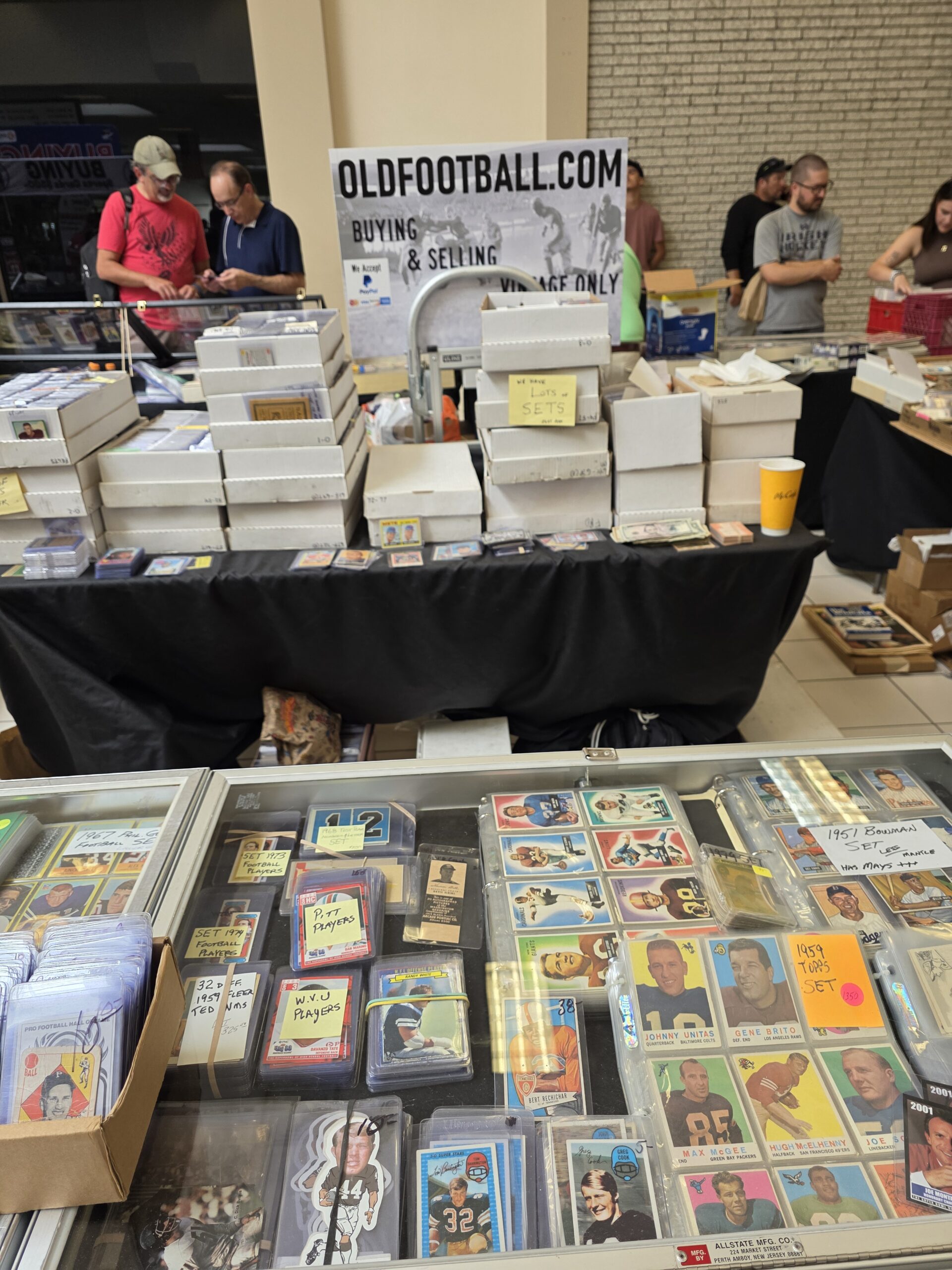
A. J. Firestone’s Vintage Sports Cards Booth
This year marked the 29th time dealer A.J. Firestone sold at the National Sports Collectors Convention. As usual, business was booming for those who sell vintage cards at fair prices.
He specializes in vintage football, with everything from 1970s Kellogg’s cards to rare regional cards and mainstream issues. He believes people will always be looking for cards that date to a time when they were sold with gum for the change in a kid’s pocket rather than $3 or more per pack.
“I say to buy vintage and the heck with the new stuff,” Firestone said. “People will always be looking for the classic vintage.” He noted that older cards tend to hold their value, although, after talking with other dealers, he cannot figure out why Jim Brown rookie cards seem to be suffering a slight dip in value.
Less Focused on Grading
As with modern cards, grading can have a huge impact on the value of a vintage card. It’s less of a priority for some vintage collectors, though. While anyone in the market need to be vigilant when buying a high value vintage card, it seems less of a priority for many, especially since many aren’t buying just in hopes of re-selling that same card in a matter of weeks or months. Vintage buyers are often set builders, some of whom are less focused on technical condition than they are with general eye appeal.
“I’ve always found a demand for vintage, from low-grade to near-mint and everything in between,” said longtime Ohio dealer Pat Blandford, who mentioned rare regional cards like a Partridge Meats Pete Rose, which is a challenge to find in any condition. Vintage collectors often prefer to save the grading fees they’d incur so they have more money to spend on the cards themselves.
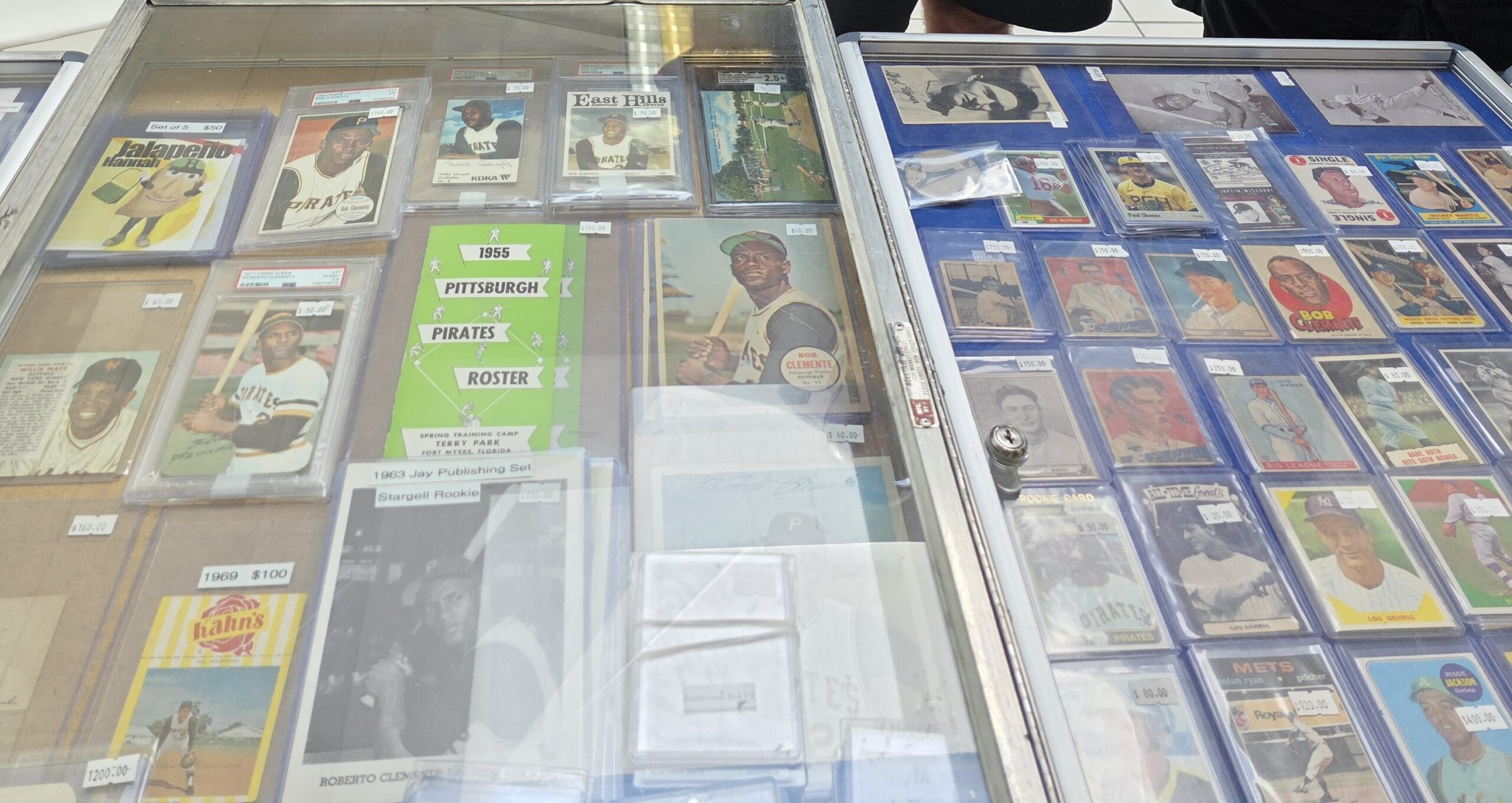
“There’s more interest in graded cards now than ten or 15 years ago,” Blandford said. “But I highly disagree that everything needs to be graded, although it may be better on key vintage cards so there’s no argument on what it’s worth.”
“Not as many flippers deal in vintage. Most flippers deal in modern stuff,” said dealer Tyler Lucci from Georgia. Lucci, though, agrees that some vintage cards are a hard sell unless they’re graded. With prices for high-end vintage increasing every year, not buying authenticated and graded copies of valuable cards is a risk. And it’s those iconic cards that many vintage buyers, whether new to the space or long timers, have been seeking out lately.
“Some of my best sales recently have been higher-end vintage cards like a ‘51 Bowman Mantle, a ‘53 Mantle, and a 1960 Fleer Clemente in a PSA 8,” Lucci said.
Although flippers are generally interested in modern cards, it seems more common that some flippers of modern cards may dabble in vintage but it is less common the other way around.
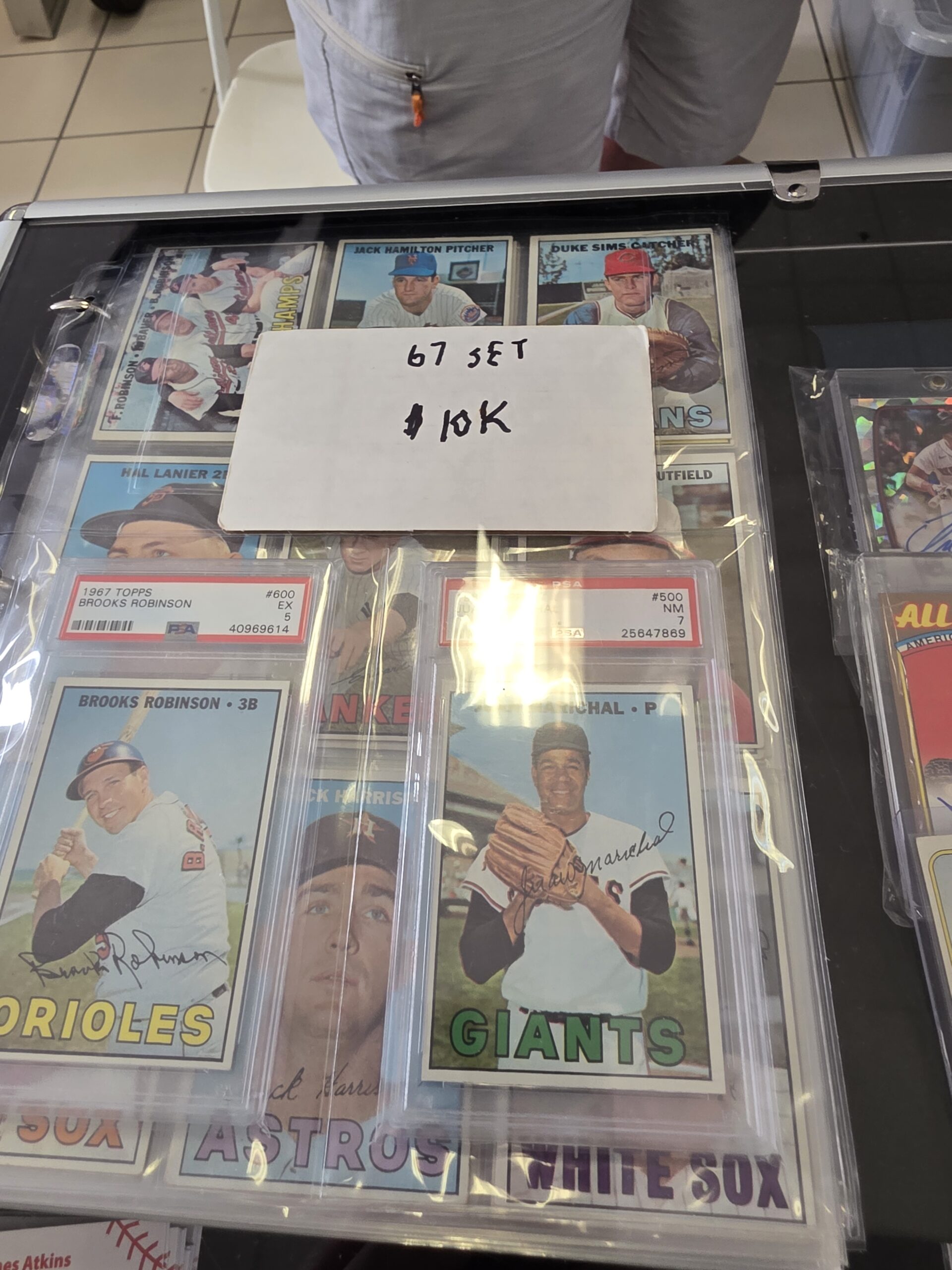
There is no ultimate line of demarcation of what is considered vintage, but many dealers and collectors align with what grading companies and long time dealers have generally believed: the vintage era starts prior to the end of Topps monopoly in 1981. It’s a concept that’s a little hard to grasp for collectors who are now in their 40s and can’t understand why a Dwight Gooden rookie card still isn’t considered vintage.